


Destiny Hero: Black Myth RPG
4.926.00 Reviews
App Specs
- Version
- 1.0.4
- Updated On
- License
- Free
- Downloads
- 10,000+
- Developer
- PlayDrive Games
- Categories
- Role Playing
- Platform
- Android
Screenshots
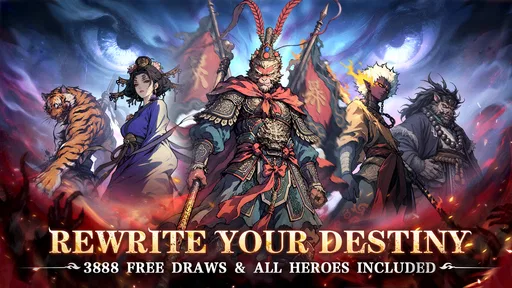
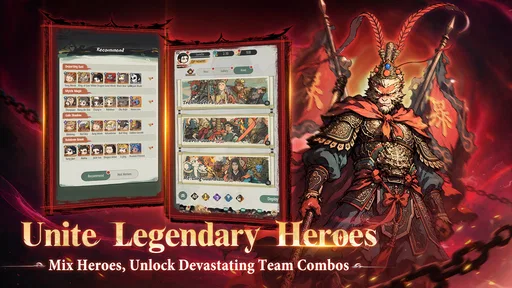
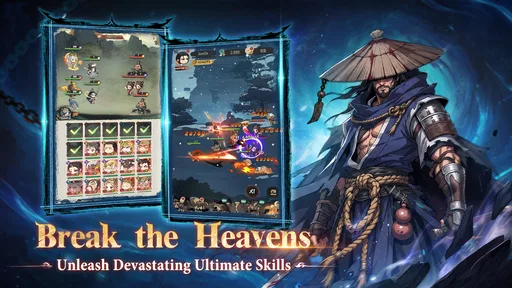
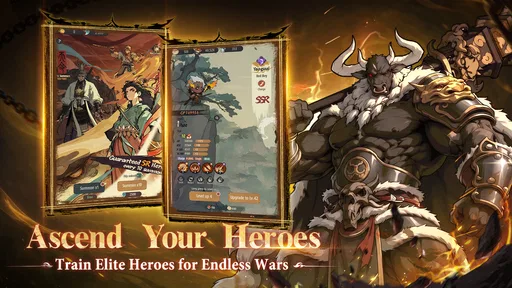
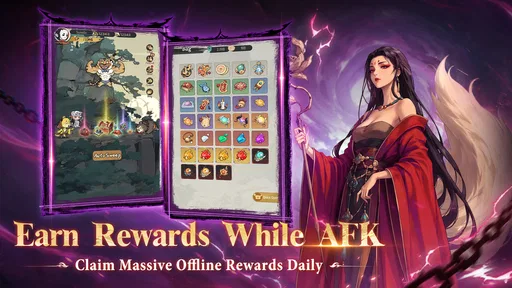
 Analysis by AppCompare
Destiny Hero: Black Myth RPG gave me a strong first impression because it approaches role-playing through mood before explanation. The dark fantasy presentation, dramatic hero imagery, and promise of rewriting fate make it feel more like a compact mythic journey than a cheerful collection game. I spent time looking at how the visual language, sound, pacing, and character progression work together, and my overall reaction was positive: this is an accessible mobile RPG with a clear identity, although its free-to-play structure will not suit everyone.
It is a free role-playing game from PlayDrive Games, aimed at Teen players, and it is available for devices running Android 5.0 or later. The current version is 1.0.4, while the game has already passed ten thousand installs and holds a 4.9 average from roughly 5.8 thousand ratings. Those figures suggest that early players are responding well to its presentation and basic loop, but I would still treat the high score as an early snapshot rather than a guarantee that every player will enjoy the same things.
The central appeal is easy to understand. Destiny Hero: Black Myth RPG puts a large cast of heroes and a fate-changing fantasy premise at the front of the experience. The game is free to start, but optional purchases range from forty-nine cents to ninety-nine dollars and ninety-nine cents per item. That gap matters: someone can sample the game without paying, while a player who becomes invested in collecting and improving heroes may encounter a much more expensive long-term path.
A dark fantasy mood that carries the opening
My first sessions worked best when I treated the game as a short, atmospheric role-playing break rather than as a title demanding immediate mastery. The dark mythic setting gives the opening a recognizable tone, and the character-focused presentation helps the roster feel like the heart of the adventure. Even before thinking about optimization, I wanted to see which hero would appear next and how the growing collection would change the shape of my team.
That is an important strength. Many mobile RPGs begin with menus, reward panels, and several systems competing for attention. Here, the fantasy framing gives those systems a reason to exist. Summoning is not merely a button for obtaining another unit; within the game’s premise, it supports the idea that the player is gathering figures capable of changing a doomed story. The strongest part of the presentation is the way collection is tied to the feeling of rewriting a legend, even when the underlying activity remains familiar.
The opening pace is friendly to people who do not want a complicated tutorial. I could understand the broad purpose of the roster quickly, and the game does not need a player to arrive with detailed knowledge of role-playing formulas. That makes it suitable for a casual evening session, a commute, or a few minutes between tasks. The trade-off is that experienced RPG players may find the early direction less demanding than they would prefer.
A realistic use case is a player who has twenty minutes after work and wants something more involved than a puzzle but less demanding than a console-sized adventure. Destiny Hero fits that space well. I could check the current team, make a few progression decisions, and return later without needing to reconstruct a complicated control scheme. For someone who wants a deep, uninterrupted campaign with constant manual action, however, this may feel too streamlined.
Worth Reading Before You Choose

EA SPORTS FC Mobile 26 Is a Bigger Football Game, but It Takes Time

Flipboard Shows What News Apps Must Do Beyond the Feed

Switching to Android Auto Means Rethinking Your Driving Routine

Google Calendar Makes a Crowded Week Easier to Manage

Ludo King Makes the Most of the Minutes Between Plans

Baby Panda World Brings Quick Play to Modern Phones, but Its Game Library Feels Busy
The visual language makes the roster feel important
The art direction is built around contrast: heroic figures, shadowed fantasy surroundings, and an overall sense that the world is already carrying the consequences of an old conflict. That approach gives the characters more weight than a plain list of collectible units would have. I found myself judging new heroes not only by their practical value but also by whether they seemed to belong in the same dark mythic world.
This visual coherence helps during ordinary menu time, which is important in a collection-focused RPG. Players spend plenty of time examining heroes, choosing upgrades, and deciding where to invest resources. When the artwork and setting maintain a consistent mood, those pauses do not feel completely separate from the adventure. The game’s identity survives outside combat because the roster is presented as part of a larger legend.
There is also a useful psychological trade-off here. A strong atmosphere can make repeated collection actions feel more meaningful, but it can also encourage players to chase characters for emotional reasons instead of practical ones. My advice is to separate those decisions. Keep the heroes you enjoy looking at, but before spending valuable resources, decide whether the character actually fits the team you are building. That simple habit reduces the chance of making every choice based on novelty.
The setting will appeal most to players who like serious fantasy rather than bright, comedic adventure. If you prefer colorful worlds, relaxed humor, or a story that constantly explains its lore, the darker presentation may feel restrained. I appreciated that it does not need to shout to establish its tone, but some players may want more narrative detail than the atmosphere alone provides.
Sound and pacing shape the playable mood
The sound design works best as support rather than spectacle. It helps maintain the feeling that the player is moving through a mythic conflict instead of simply managing a spreadsheet of heroes. The result is a calmer, more deliberate mood than the most frantic mobile RPGs, which suits the dark setting and makes short sessions feel less exhausting.
Pacing is especially important in a game built around repeated progression. If every moment demanded maximum attention, the collection loop would become tiring quickly. Destiny Hero is more comfortable when played in measured bursts: check what has changed, improve a few characters, make a summoning decision, and stop before the routine becomes mechanical. I found that rhythm more sustainable than trying to force a long session every time I opened the game.
That does not mean the pacing is perfect for everyone. Players who want constant action may interpret the calmer rhythm as a lack of urgency. The game’s appeal depends on enjoying anticipation: waiting to see what a new hero contributes, watching a team become more capable, and letting the setting do some of the emotional work. If your ideal RPG is built around rapid manual combat and immediate reactions, another option would probably be a better match.
One practical tip is to avoid opening the game only when you have enough time to chase every available reward. That mindset can turn a relaxing session into a checklist. I got more from it by choosing one purpose before starting: review the roster, improve a core hero, or simply play through a little content. This keeps the atmosphere intact and prevents the interface from dictating the entire session.
Where the mechanics support the fantasy
The mechanical foundation is familiar for the genre: gather heroes, shape a team, and improve the characters that support your preferred direction. That familiarity is useful because the game is easy to approach, but it also means Destiny Hero must rely on presentation and roster appeal to stand apart from other mobile role-playing games. In my experience, its strongest mechanical fit comes from making collection feel connected to the central fate-changing idea.
The large hero focus creates two different experiences. New players can enjoy the excitement of discovering characters without needing to understand every possible combination immediately. More experienced players will naturally begin asking harder questions: which heroes deserve limited resources, which units complement one another, and whether a visually appealing character is actually worth replacing an established team member.
I recommend building a dependable core before spreading resources across the entire roster. A common mistake in collection RPGs is upgrading every new arrival because the game makes each one feel important. That creates a wide but shallow group of heroes. A smaller group with consistent investment is usually easier to understand and more useful when progress becomes less forgiving. The best time to experiment is after the main team has a stable foundation, not before.
Another useful workflow is to keep notes about why a hero joined the team. Write down whether the character was chosen for damage, support, survivability, or a particular combination you want to test. This may sound excessive for a mobile game, but it prevents impulsive changes when a new summon appears. It also makes the roster feel like a project rather than a sequence of disconnected rewards.
The game’s free entry is a genuine advantage. I could approach it without committing money, which makes it easier to decide whether the art direction and pacing suit my taste. The presence of purchases from forty-nine cents up to ninety-nine dollars and ninety-nine cents per item changes the conversation once a player becomes invested. I would set a personal spending limit before the collection loop becomes emotionally important, especially if the temptation to obtain a favorite hero is stronger than the practical need for one.
This is also where Destiny Hero differs from a traditional premium RPG. A premium game usually asks for a clearer purchase decision at the beginning and then lets the player focus on the adventure. This title lowers the entry barrier, but the long-term relationship with the game is more likely to involve repeated optional spending decisions. Neither model is automatically better. The free approach is preferable for cautious players and short sessions; the premium approach is often better for people who want a fixed cost and fewer commercial interruptions.
Who will enjoy it, and who should skip it
I would recommend Destiny Hero to players who enjoy dark fantasy presentation, hero collecting, and steady progression without needing every battle to be manually intense. It is also a good fit for someone who likes checking a roster, making small strategic adjustments, and returning to the same world regularly. The Teen rating makes its intended tone clear: this is not positioned as a children’s fantasy experience, and younger players may need an adult to help them think carefully about optional purchases.
I would be more cautious recommending it to players who dislike summon-driven progression or who want a complete story with a clearly defined ending. The promise of a broad hero roster is part of the attraction, but it can also make the game feel like an ongoing collection project rather than a focused adventure. Likewise, players who avoid in-app purchases entirely should be comfortable ignoring the commercial side of the experience instead of assuming it will never influence their decisions.
It is also not my first choice for someone seeking a highly technical combat game. The appeal here is the combination of setting, roster decisions, and gradual development. If your priority is precise timing, complex real-time controls, or a campaign that constantly changes its mechanics, a more action-oriented role-playing game would serve you better.
Practical questions before installing
The game is free to download and play, so the sensible approach is to try it without spending anything during the opening sessions. Pay attention to whether you enjoy the atmosphere when the initial novelty fades. If you like the world but feel no interest in checking heroes or improving a team, the presentation alone probably will not carry the experience for long.
Device compatibility is relatively broad because the game supports Android 5.0 and later. That makes it approachable for people using older Android hardware, although the experience can still vary depending on the device. I would close unnecessary background apps before a longer session and keep expectations realistic if the phone is several generations old. The game’s mood is easier to appreciate when menus and battles respond comfortably.
The current version, 1.0.4, indicates that the game is still at an early stage of its life. That can be appealing if you like watching a title develop, but it also means the experience may feel less established than a long-running role-playing game with years of accumulated content. I would install it with the mindset of exploring its current identity rather than expecting the enormous depth of a mature genre leader.
The store summary emphasizes a very large number of summons and an inclusive hero roster, but I would not let that promise replace personal testing. A broad selection is valuable only when the characters feel distinct enough to justify team decisions. During play, focus less on how many heroes exist and more on whether obtaining and using them remains enjoyable after the first few sessions.
My verdict on the atmosphere and the long-term loop
Destiny Hero: Black Myth RPG succeeds when its art direction, sound, and pacing are considered together. The dark fantasy setting gives the roster emotional context, the audio supports a measured mood, and the progression loop works well in short, repeatable sessions. None of those elements needs to dominate. Their consistency is what makes the game recognizable.
My favorite quality is its ability to make ordinary collection decisions feel connected to a larger myth. My main reservation is that the same collection structure can become expensive or repetitive for players who chase every new hero. The free entry is generous for experimentation, but long-term enjoyment depends on setting boundaries and deciding whether the game’s rhythm genuinely fits your habits.
PlayDrive Games has created a role-playing game that is easy to sample and visually confident enough to leave an impression. With an average of 4.9 from around 5.8 thousand ratings and more than ten thousand installs, it has attracted encouraging early attention, though I would still judge it by your own response to the loop rather than by the score alone. My recommendation is to try it as a mood-driven, free-to-start RPG, not as an obligation to complete an enormous collection.
If you enjoy dark mythic worlds, gradual hero development, and the small strategic decisions that come with building a team, this is worth your time. If you want a fixed-price adventure, constant manual action, or a game free from spending pressure, choose a different kind of RPG. For the right player, Destiny Hero: Black Myth RPG offers a coherent atmosphere and a comfortable routine; its success depends on whether that routine feels like a relaxing return to a fantasy world or simply another collection checklist.
Pros
- Fast-paced battles make short play sessions easy to enjoy.
- Distinct hero designs give team building plenty of personality.
- Idle rewards help progress continue while you are away.
- Regular missions provide clear goals beyond the main campaign.
- Simple controls make the game accessible to casual RPG players.
Cons
- Progress can feel slow without frequent upgrades or resource spending.
- The large cast may make choosing the best team confusing for newcomers.
- Repeated battle animations can become monotonous over time.
- Limited resources require careful planning between heroes and equipment.
- Online features may be affected by connection issues or server downtime.
FAQs for Destiny Hero: Black Myth RPG
What is Destiny Hero: Black Myth RPG about?
Destiny Hero: Black Myth RPG is a fantasy role-playing game built around collecting heroes, forming a team, and progressing through battles inspired by dark mythological themes. You typically upgrade characters, unlock abilities, complete story stages, and participate in different challenges. The game is aimed at players who enjoy automated or semi-automated combat, character development, strategic team building, and regular rewards rather than a traditional action RPG with fully manual controls.
Is Destiny Hero: Black Myth RPG free to download and play?
The game can generally be downloaded for free, but it may include optional in-app purchases. These purchases can provide premium currency, upgrade materials, summons, bundles, or other progression benefits. It is possible to play without spending money, although free players may need more patience when improving their roster or competing in time-limited events. Parents should also review purchase settings if children use the device.
Does Destiny Hero: Black Myth RPG require an internet connection?
An internet connection is normally required for the main features of Destiny Hero: Black Myth RPG. Online access may be needed to load your account, synchronize progress, claim rewards, participate in events, use summoning systems, and access competitive or social modes. Because of this, the game may not be suitable for completely offline play. A stable connection is recommended to avoid interrupted battles or lost temporary progress.
Is Destiny Hero: Black Myth RPG suitable for beginners?
Destiny Hero: Black Myth RPG is relatively approachable for newcomers because early stages usually introduce the basic systems gradually, including hero upgrades, team formation, equipment, and combat progression. However, the number of currencies, menus, events, and upgrade options can become confusing as you advance. New players should avoid spending rare resources immediately and focus on a balanced team before investing heavily in individual characters.
Does Destiny Hero: Black Myth RPG have ads, multiplayer, or competitive features?
The experience may include advertisements or promotional offers, depending on the version and platform, while optional purchases are commonly part of this type of RPG. Multiplayer elements can include guilds, rankings, arena battles, cooperative activities, or event-based competition rather than real-time action combat. Availability may vary after updates. Players who prefer a purely offline, single-player experience should check the current store description before downloading.


